
WELCOME BONUS 300%
UP TO €2000 + 100
FREE SPINS
UP TO €2000 + 100
FREE SPINS
Home → Payments
Payment methods at 21 Casino
Binance Pay and USDT TRC-20 for Bonus Deposit
USDT (TRC-20) allows deposits starting from 20 EUR with a maximum limit of 10,000 EUR, making it suitable for high-stakes funding. This method processes transactions instantly, taking only one to five minutes for the credit to appear in the player account. The casino charges no fees, though standard low network fees apply for the blockchain transfer itself.
Binance Pay provides an alternative for large transactions by accepting instant deposits with a minimum threshold of 20 EUR and a ceiling of 10,000 EUR. Unlike other crypto options, Binance Pay guarantees faster withdrawals, completing payouts within zero to two hours. This speed ensures that high rollers can access their winnings almost immediately after cashing out.
Both payment methods support the full value of the 300% welcome bonus up to 2,000 EUR without additional cost. A deposit of 100 EUR via either service triggers the maximum bonus amount, requiring significant turnover before any funds become withdrawable. High rollers must ensure the initial deposit meets the minimum requirement to unlock the promotional offer.
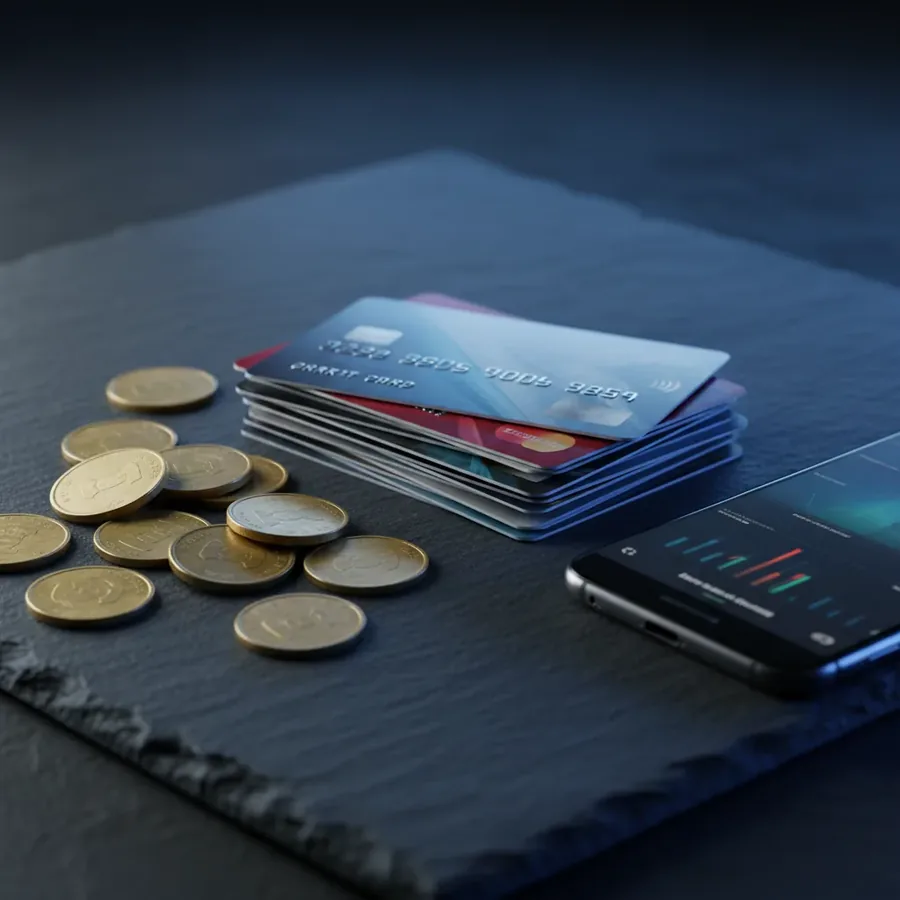
13 Payment Methods in Direct Comparison
CashtoCode eVoucher supports deposits between 10 EUR and 1,000 EUR with no fees, but it cannot be used for withdrawals at all. This prepaid option is strictly limited to funding the account, forcing players to choose another method for cashing out their winnings. The instant processing time makes it convenient for quick play sessions despite the withdrawal restriction.
MiFinity offers a wider range for larger sums, allowing deposits and withdrawals between 10 EUR and 10,000 EUR with no fees charged by the platform. Withdrawals process within zero to 24 hours, providing flexibility for high rollers who need faster access than bank transfers allow. This e-wallet serves as a versatile bridge between small daily bets and substantial high-roller stakes.
Bitcoin (BTC) accommodates deposits from 20 EUR up to 10,000 EUR, matching the limits set by many other cryptocurrency options on the site. Processing times are longer, requiring ten to sixty minutes for deposits to confirm on the blockchain network before play can begin. Network fees apply to these transactions, which slightly reduces the net amount available for wagering compared to fee-free alternatives.
KYC in 24 to 48 hours before withdrawal
Players must submit a valid ID and proof of address not older than three months to complete the Know Your Customer verification process. This mandatory step occurs before the first withdrawal request can be processed, ensuring compliance with regulatory standards for all users. The verification typically takes between twenty-four and forty-eight hours to finalize after document submission.
High rollers should anticipate delays if they attempt to withdraw funds exceeding standard limits without prior identity confirmation. The system blocks any payout until the documentation passes review, meaning even instant withdrawal methods like USDT TRC-20 will wait for approval. Submitting documents early prevents bottlenecks when accessing large win amounts from bonus terms or direct deposits.
The verification requirement applies universally regardless of the payment method chosen, including those with high limits like MiFinity or Bitcoin. Even if a player has successfully deposited thousands of euros, the account remains locked for withdrawals until KYC is cleared. This strict policy protects both the operator and the player by preventing fraudulent activity and money laundering risks.
Payout to Same Method: Rule and Exceptions
Prepaid cards such as Paysafecard and Neosurf accept deposits from 10 EUR to 1,000 EUR but explicitly do not support withdrawals. Players using these methods must select an alternative payout option, such as an e-wallet or cryptocurrency, to receive their funds. This rule forces a change in payment strategy once the initial deposit phase is complete.
Visa and Mastercard transactions allow deposits up to 5,000 EUR with no fees, but withdrawals take one to three business days to process. While this duration is slower than crypto options, it provides a familiar banking route for players uncomfortable with digital assets. The same card network often handles both incoming and outgoing transfers, simplifying the financial trail for high rollers.
Cryptocurrency withdrawals via Litecoin or Dogecoin process within zero to 24 hours, offering significantly faster access than traditional bank methods. These networks handle limits up to 10,000 EUR per transaction, accommodating the larger cash-out needs of VIP players. Network fees apply to these transfers, which vary based on current blockchain congestion levels rather than fixed casino charges.
Open Bonus Blocks Payout: 2 Ways
The 300% welcome bonus up to 2,000 EUR requires meeting specific wagering conditions before any associated funds can be withdrawn. Players must convert the bonus amount through eligible games to unlock the cash balance, a process that restricts immediate access to promotional credits. Failure to meet these requirements results in the forfeiture of both the bonus and any winnings generated from it.
Free spins included in the package generate winnings that are subject to separate wagering rules distinct from the main deposit bonus. Each spin contributes differently to the total turnover required, depending on the game provider and slot volatility settings. Tracking these separate balances ensures players understand exactly how much more they must bet to clear each component.
High rollers combining large deposits with bonus funds face complex calculations involving multiple caps and time limits on completion. A maximum deposit of 10,000 EUR via USDT TRC-20 could theoretically yield a massive bonus, but the wagering multiplier applies strictly to the credited amount. Understanding these dual structures prevents unexpected restrictions when attempting to cash out substantial accumulated profits.
Payment methods, limits and fees
| Method | Type | Deposit | Withdrawal | Min. Deposit | Limit | Fees |
|---|---|---|---|---|---|---|
| Visa / Mastercard | card | Instant | 1-3 Business Days (Visa) | 10 EUR | 10 - 5.000 EUR | None |
| MiFinity | e-wallet | Instant | 0-24 Hours | 10 EUR | 10 - 10.000 EUR | None |
| Neteller | e-wallet | Instant | 0-24 Hours | 10 EUR | 10 - 10.000 EUR | None |
| Binance Pay | crypto | Instant | 0-2 Hours | 20 EUR | 20 - 10.000 EUR | None |
| Bitcoin (BTC) | crypto | 10-60 Minutes | 0-24 Hours | 20 EUR | 20 - 10.000 EUR | None (Network Fee Only) |
| Dogecoin (DOGE) | crypto | 5-30 Minutes | 0-24 Hours | 20 EUR | 20 - 10.000 EUR | None (Network Fee Only) |
| Litecoin (LTC) | crypto | 5-30 Minutes | 0-24 Hours | 20 EUR | 20 - 10.000 EUR | None (Network Fee Only) |
| CashLib | prepaid | Instant | Not Available | 10 EUR | 10 - 1.000 EUR | None |
| Paysafecard | prepaid | Instant | Not Available | 10 EUR | 10 - 1.000 EUR | None |
| Banküberweisung | bank | 1-3 Business Days | 3-5 Business Days | 20 EUR | 20 - 10.000 EUR | None (Bank Fees Possible) |
Incorrect Crypto Address: Funds Irretrievably Lost
Dogecoin (DOGE) transfers require an exact match between the destination address and the wallet details provided by the player. A single character error in the 34-character string results in the permanent loss of funds, as blockchain transactions cannot be reversed or intercepted by support staff. The withdrawal window of 0-24 Hours offers no safety net for manual correction once the network has confirmed the hash. Players must verify the entire alphanumeric sequence before initiating any transfer to avoid total capital destruction.
Bitcoin (BTC) deposits take 10-60 Minutes to confirm on the ledger, during which time the platform scans for incoming signals. If the sender inputs a wrong address, the transaction settles instantly into a void with no recourse for recovery. This technical rigidity contrasts with centralized banking systems that allow chargebacks or frozen accounts. The absence of a reversal mechanism places the entire burden of accuracy on the high roller executing the trade.
USDT (TRC-20) operates on the Tron network where instant deposits occur within 1-5 Minutes of broadcast. An incorrect recipient address leads to immediate settlement at the wrong destination, rendering the 10.000 EUR limit irrelevant. Since the network fee is low, players might rush the process without double-checking the first and last four digits. Such haste often results in irreversible financial loss due to the immutable nature of the distributed ledger.
Deposit and withdrawal with same method
Neteller supports both instant deposits and withdrawals within 0-24 Hours, allowing high rollers to maintain a closed loop. The 10.000 EUR limit applies equally to funding the account and cashing out winnings, ensuring consistent liquidity management. This symmetry simplifies accounting for professional players who track earnings through specific e-wallet channels. The zero fees structure further encourages this direct recycling of bankroll without external friction.
Visa / Mastercard cards permit instant deposits but enforce a 1-3 Business Days delay for withdrawals, breaking the instant cycle. The 5.000 EUR limit is lower than crypto options, restricting the volume available for rapid reinvestment. High rollers relying on card convenience face a temporal mismatch between funding and accessing profits. This asymmetry requires strategic planning to ensure sufficient balance remains accessible during processing periods.
Bank transfers involve a 1-3 Business Day deposit wait and a longer 3-5 Business Day withdrawal period. The 10.000 EUR limit matches other secure methods, but the extended timeline discourages frequent cycling. Prepaid options like CashLib forbid withdrawals entirely, forcing players to switch methods for cashing out. This structural limitation prevents seamless fund rotation and necessitates multiple payment relationships for active users.
KYC 24 to 48 hours before withdrawal
Identity verification requires submitting a valid ID and an address proof not older than 3 Months prior to any payout request. The platform mandates a strict 24-48 Stunden review period before releasing funds, regardless of the chosen withdrawal speed. This administrative step delays access to winnings even if Neteller processes requests in under 24 Hours. High rollers must anticipate this bottleneck when planning large-scale cashouts from their gaming sessions.
The KYC process acts as a mandatory gatekeeper, preventing automated payouts until documentation passes internal scrutiny. Players attempting to withdraw immediately after hitting a jackpot will encounter a holding period of up to two full days. This requirement ensures regulatory compliance but interrupts the fluidity expected by experienced gamblers. The delay applies universally, meaning even verified accounts undergo a fresh check for the initial transaction.
Address proofs must be recent, defined as issued within the last 3 Months, to satisfy the anti-fraud protocols. Stale documents lead to rejection and further delays, extending the potential hold beyond the standard 48 Stunden window. This rule forces players to keep their personal records current and accessible for immediate upload. Failure to comply results in frozen balances until updated credentials are submitted and approved by the compliance team.
Deposit Limit Reached: Options for High Amounts
Crypto assets like Bitcoin (BTC) and Dogecoin (DOGE) offer a substantial 10.000 EUR limit per transaction, accommodating significant betting volumes. This ceiling is five times higher than the 2.000 EUR cap associated with the welcome bonus structure. High rollers can utilize these digital currencies to bypass the restrictive thresholds found in traditional payment channels. The ability to move larger sums reduces the frequency of required transactions during intense playing sessions.
Neteller provides a parallel 10.000 EUR limit for both deposits and withdrawals, matching the capacity of major cryptocurrencies. This e-wallet option serves as a reliable alternative for players who prefer fiat conversion over direct coin transfers. The instant deposit feature ensures that funds are available immediately, supporting continuous wagering without interruption. Users exceeding standard card limits can seamlessly transition to this method for higher throughput.
Prepaid vouchers such as Neosurf impose a restrictive 1.000 EUR limit, making them unsuitable for high-stakes gameplay. This lower threshold forces players seeking larger exposure to abandon prepaid routes in favor of crypto or e-wallets. The inability to withdraw via these cards further cements their role as pure deposit instruments only. Consequently, serious gamblers must diversify their payment portfolio to handle maximum allowable stakes effectively.
Instant Deposits: Which Methods Credit in Seconds
Neteller and MiFinity both credit deposits instantly upon successful authorization, allowing immediate engagement with live tables. These e-wallet solutions eliminate the waiting period inherent in bank transfers or card verifications. The 10.000 EUR limit ensures that high rollers can fund substantial bets without artificial caps on entry. This speed is critical for capturing time-sensitive opportunities or reacting to dynamic game conditions.
Paysafecard and CashLib eVouchers also provide instant crediting, though they are restricted to prepaid usage without withdrawal capabilities. The 1.000 EUR limit defines the maximum single transaction value for these anonymous payment tools. While convenient for quick funding, the lack of cashout options necessitates a secondary method for retrieving winnings. Players must plan their exit strategy carefully to avoid being stranded with unwithdrawable balances.
Binance Pay enables instant deposits for cryptocurrency holders, bridging the gap between traditional exchange speeds and casino requirements. The 10.000 EUR limit aligns with other premium methods, supporting high-volume activity. Withdrawals process within 0-2 Hours, offering a faster turnaround than standard e-wallets. This combination of instant funding and rapid cashout makes it a preferred choice for efficient bankroll management.
Instant-Banking vs. Credit Card: speed and fees
Litecoin (LTC) enables instant deposits with zero network fees, while Visa / Mastercard transactions also process immediately but restrict withdrawals to 1-3 business days for cardholders. The distinction in withdrawal velocity is critical for high rollers who require rapid access to funds after a winning session at the casino platform. This delay applies exclusively to credit or debit card users, whereas cryptocurrency wallets offer significantly faster settlement times for large sums.
Binance Pay stands out as the fastest withdrawal method available, processing transactions within 0-2 hours compared to the 3-5 business days required for standard Banküberweisung transfers. High rollers prioritizing liquidity will find this time difference substantial when managing bankroll movements between gaming sessions and external accounts. The immediate availability of funds via Binance Pay reduces exposure to market fluctuations during the waiting period for larger financial operations.
Both Litecoin (LTC) and Banküberweisung share an identical transaction limit of 10.000 EUR per operation, ensuring consistent handling capabilities for significant wagering amounts. In contrast, MiFinity e-wallets support the same 10.000 EUR ceiling but offer instant deposit speeds that match the convenience of crypto assets without blockchain delays. This parity in limits allows players to move substantial capital regardless of their preferred payment infrastructure choice for daily gaming activities.
Report double charge in 24 hours
Visa / Mastercard payments carry a strict 1-3 business day window for withdrawal processing, creating a potential gap where funds remain locked in transit if errors occur during the transaction cycle. Players must monitor these periods closely, as disputes regarding double charges require immediate action before the standard processing time expires for the specific banking institution involved. The variability in bank processing speeds means resolution timelines can extend beyond the initial expectation for fund recovery in case of technical failures.
Banküberweisung transactions demand 3-5 business days for outgoing payouts, establishing a longer baseline for resolving any billing discrepancies that might arise from duplicate entries or system glitches. This extended duration necessitates proactive communication with support teams if a double charge is suspected, as the funds are not instantly reversible through automated systems like e-wallets do. The manual nature of bank transfers increases the complexity of verifying and correcting erroneous charges within the standard operational timeframe for account holders.
MiFinity e-wallets facilitate withdrawals within 0-24 hours, offering a quicker avenue for rectifying financial anomalies compared to traditional banking methods that take up to five working days. The faster turnaround time allows for earlier detection and reporting of potential double charges, reducing the risk of prolonged fund unavailability for high-stakes players. This efficiency ensures that any billing issues can be addressed and resolved with minimal disruption to the player's ongoing gaming activities and cash flow management.
Calculation Example: 20 EUR Deposit Yields 60 EUR Bonus Balance
A 20 EUR deposit utilizing the 300% welcome bonus structure results in a total bonus balance of 60 EUR, calculated by multiplying the initial stake by three hundred percent. This mathematical outcome provides a 60 EUR advantage over the original deposit amount, effectively tripling the starting capital available for wagering on eligible games within the platform. The calculation demonstrates how the promotional offer amplifies the player's initial investment, creating a larger bankroll for exploring various gaming options with enhanced financial leverage.
The 100 free spins included with this package typically operate on selected slot titles, though specific game restrictions apply to the utilization of these complimentary attempts. Each spin contributes to the overall value proposition, allowing players to generate winnings without additional cost, thereby complementing the monetary bonus derived from the percentage-based deposit match. The combination of cash bonus and spins creates a dual-layered incentive structure designed to maximize engagement and provide extended playtime for new registrants joining the casino ecosystem.
Wagering requirements dictate the turnover needed before withdrawing the combined bonus and deposit funds, often requiring a multiple of the total credited amount to be betted. For instance, a 40x wagering requirement on the 60 EUR bonus would necessitate 2.400 EUR in total bets before any associated winnings become withdrawable cash. This condition ensures fair play and prevents immediate cash-out abuse, aligning the bonus utility with sustained gameplay activity rather than instant profit extraction from the promotional funds offered.
24-hour pending phase and cancellation option
Litecoin (LTC) withdrawals enter a pending state lasting 0-24 hours, providing a critical window during which players may cancel the transaction before it is fully processed by the casino system. This grace period allows for error correction or change of mind, ensuring that funds are not irreversibly transferred if a mistake was made in the withdrawal request details. The ability to halt the process within this timeframe offers a safety net for high rollers managing large sums who need precise control over their asset movements.
Dogecoin (DOGE) transactions also undergo a 0-24 hour pending phase, mirroring the flexibility found in other cryptocurrency withdrawals regarding potential cancellation opportunities before final settlement. During this interval, the funds remain reserved but not yet released to the external wallet address, giving administrators time to verify compliance checks or address any flagged irregularities. This standardized holding period applies uniformly across major crypto options, maintaining consistency in the user experience for digital currency enthusiasts using the platform.
Bitcoin (BTC) withdrawals follow the same 0-24 hour pending protocol, ensuring that all significant crypto-based exit requests benefit from the same cancellation rights prior to blockchain confirmation. This uniform approach simplifies the understanding of withdrawal mechanics for users, as they know exactly how long they have to reverse a decision without penalty or delay. The predictable nature of this phase helps players plan their financial strategies around the known constraints of the casino's internal processing workflows for digital assets.
Casino Fees vs. Bank Fees
Litecoin (LTC) transactions incur no fees from the casino side, charging only the minimal network fee required by the blockchain protocol itself for processing the transfer. This structure means players retain the full value of their deposits and withdrawals, minus only the negligible cost necessary to validate the transaction on the decentralized ledger. The absence of administrative charges makes cryptocurrency a highly efficient choice for high rollers seeking to minimize friction costs associated with moving substantial sums in and out of accounts.
Banküberweisung transfers are listed with no direct fees from the operator, though third-party bank fees may apply depending on the individual financial institution's policies for international or domestic transfers. These external charges are outside the casino's control and vary widely, potentially impacting the net amount received or deposited by the customer during the banking process. Understanding this distinction is crucial for accurate budgeting, as the true cost of using traditional banking methods includes potential hidden expenses levied by intermediary financial entities.
Neteller e-wallets process transactions with zero fees charged by the casino, offering a cost-effective alternative to both cryptocurrencies and traditional bank wires for depositing and withdrawing funds. The instant nature of these transfers combined with the lack of platform fees makes them particularly attractive for players who prioritize speed and financial efficiency in their gaming routine. This fee-free environment ensures that more of the player's capital remains dedicated to wagering rather than being eroded by transactional overheads imposed by the service provider.
Contact
Live - online chat
Banking









Providers












21 Casino 2026